
Better Options For Our Trash
Hong Kong needs to think of better ways to handle our trash.
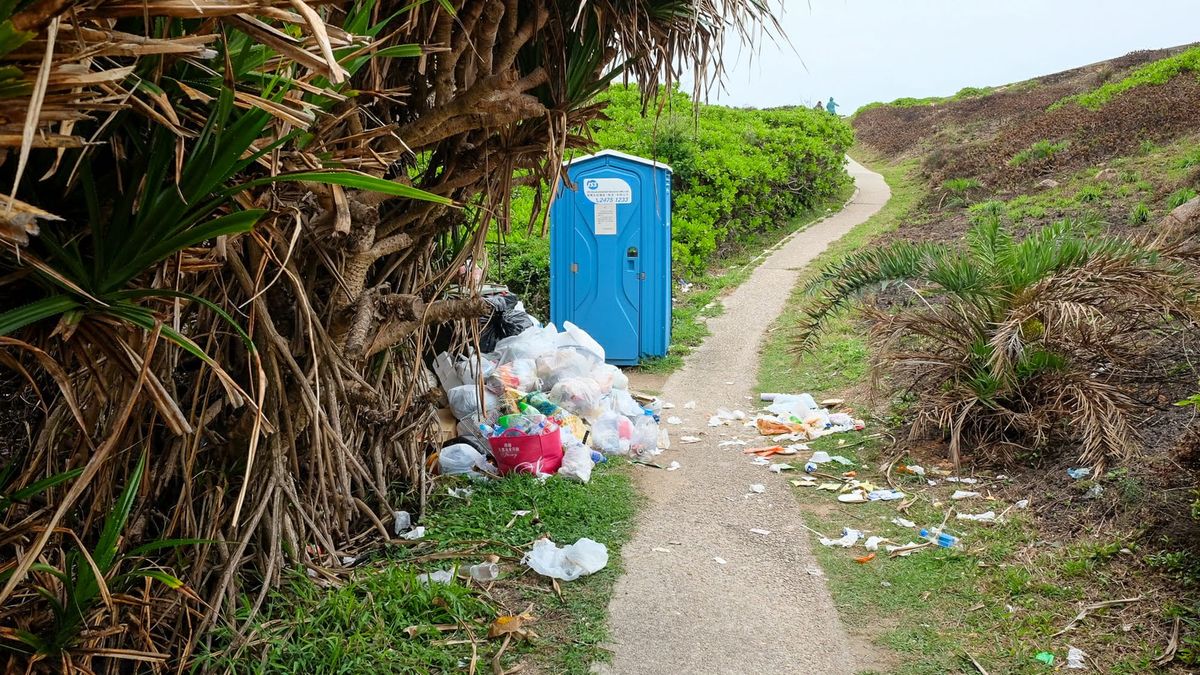
Hong Kong produces 9,000 tons of waste a day, according to the Environmental Protection Agency. The government has responded by expanding the current landfill sites in Tseung Kwan O and Ta Kwu Ling for HK$7 billion and approving the construction of an HK$18 billion incinerator near Shek Kwu Chau on Lantau Island. Hong Kong has a waste problem. So far, the only solutions are to burn it or bury it.
There need to be better alternatives to change how Hong Kongers approach their waste, rather than just throwing it into bags and having the government take care of it for free. The best solution would be to have citizens and companies pay for the waste they produce. If they knew the real costs involved, they would find ways to reduce their waste to save money.
South Korea, Japan, China, and other countries around the world have adopted pay-as-you-throw waste policies Citizens and businesses purchase different-coloured garbage bags, bins, or tags from their local store One colour is for unrecyclable items for landfills and is the most expensive One is for recyclables and is significantly cheaper The last one is for food waste and is either free or the lowest cost, as the waste is processed and then sold as fertilizer.
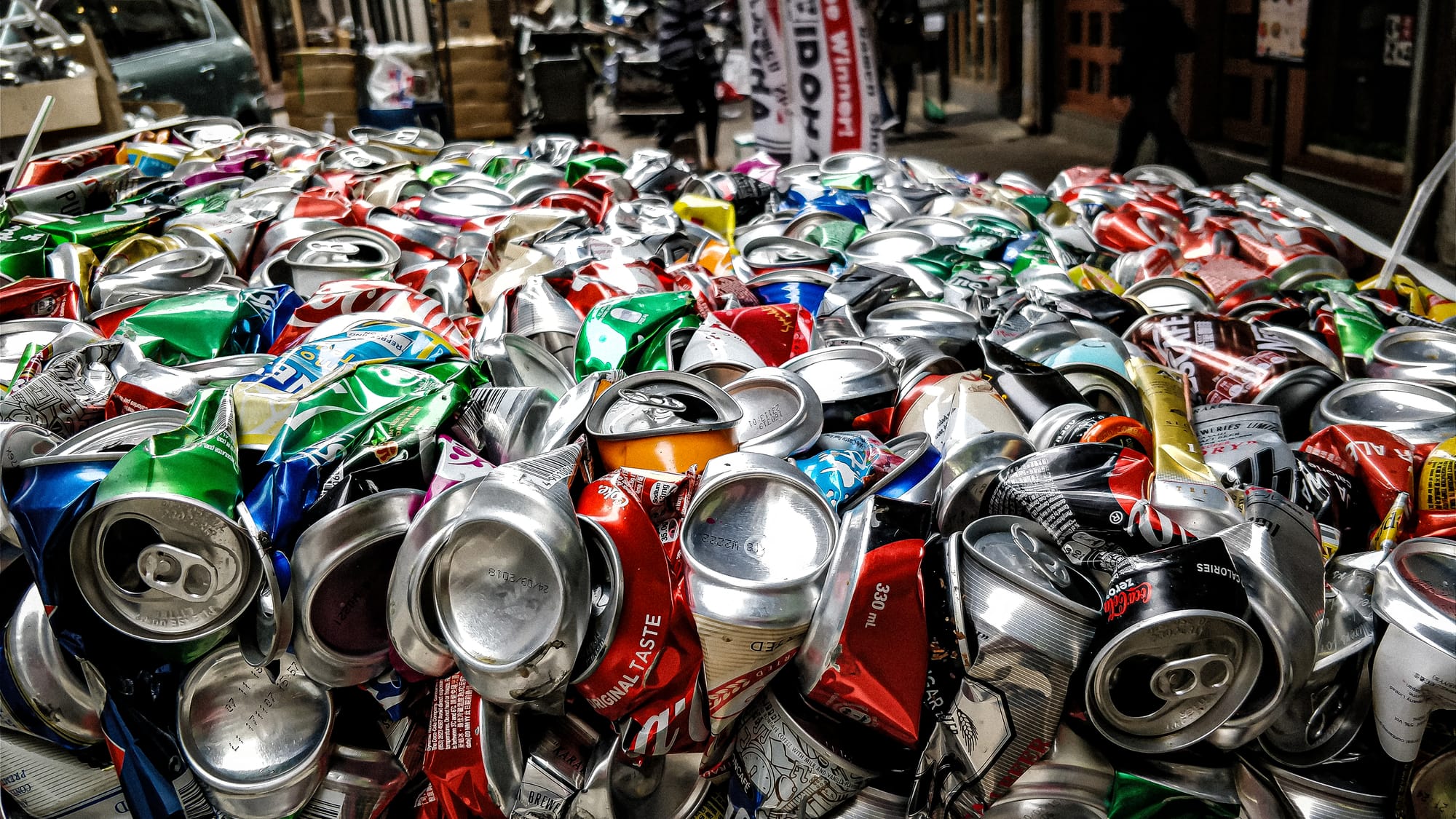
In 2013, the Hong Kong government announced it would look into it and had hoped to implement it by 2016 Last year it ran a few pilot projects in different public housing estates in Kowloon Bay and in North Point to find how the program would best work The Hong Kong Environmental Protection Agency said its results were mixed and that it found challenges in implementing this kind of system, such as determining a fair cost for those on low and fixed incomes It also found many buildings do not have a property manager on site, meaning people may ignore the system completely and continue to dump garbage wherever they may The government continues to study the feasibility of the project. Still, the more they study, the more the garbage problem piles up.
All of the countries implementing a pay-as-you-throw policy have made enforcement an important part to make their programs work Hong Kong would need to find ways to police and fine those who try to avoid the system Korea has an information hotline where citizens can call to report those trying to evade the system The callers would receive a reward if the tip leads to a fine In Canada, the sanitation department goes through the garbage to ensure it is properly sorted into the properly marked bags Overall, implementing such a system will take time, and results from other countries should motivate Hong Kong to make the change.
It took Taiwan over 10 years to fully implement the policy nationwide The pay-as-you-throw system began in Taipei, which faced a similar problem: the amount of garbage produced was increasing while places to put it were decreasing It implemented its garbage policy in 1998, when each household produced 2,970 metric tons of waste per year Today, the rate is down to 980 metric tons, a reduction of 66.9 percent, according to the Taipei Environmental Protection Agency The recycling rate for the city went from 2.6% to almost all recyclables being removed from landfills.
The results from Taiwan show how effective this can be for Hong Kong. Still, the question remains: when could this type of program be implemented? Hong Kong’s Environmental Protection Agency predicts the expanded landfill sites will be filled by 2020. The incinerator began construction this month. There needs to be something done to solve our garbage crisis. A pay-as-you-throw system could be Hong Kong's best hope.