Hong Kong Broken But Still Got To Work
Typhoon Mangkhut is one of the biggest typhoons to hit Hong Kong. The city continues to dig itself out from the damage.
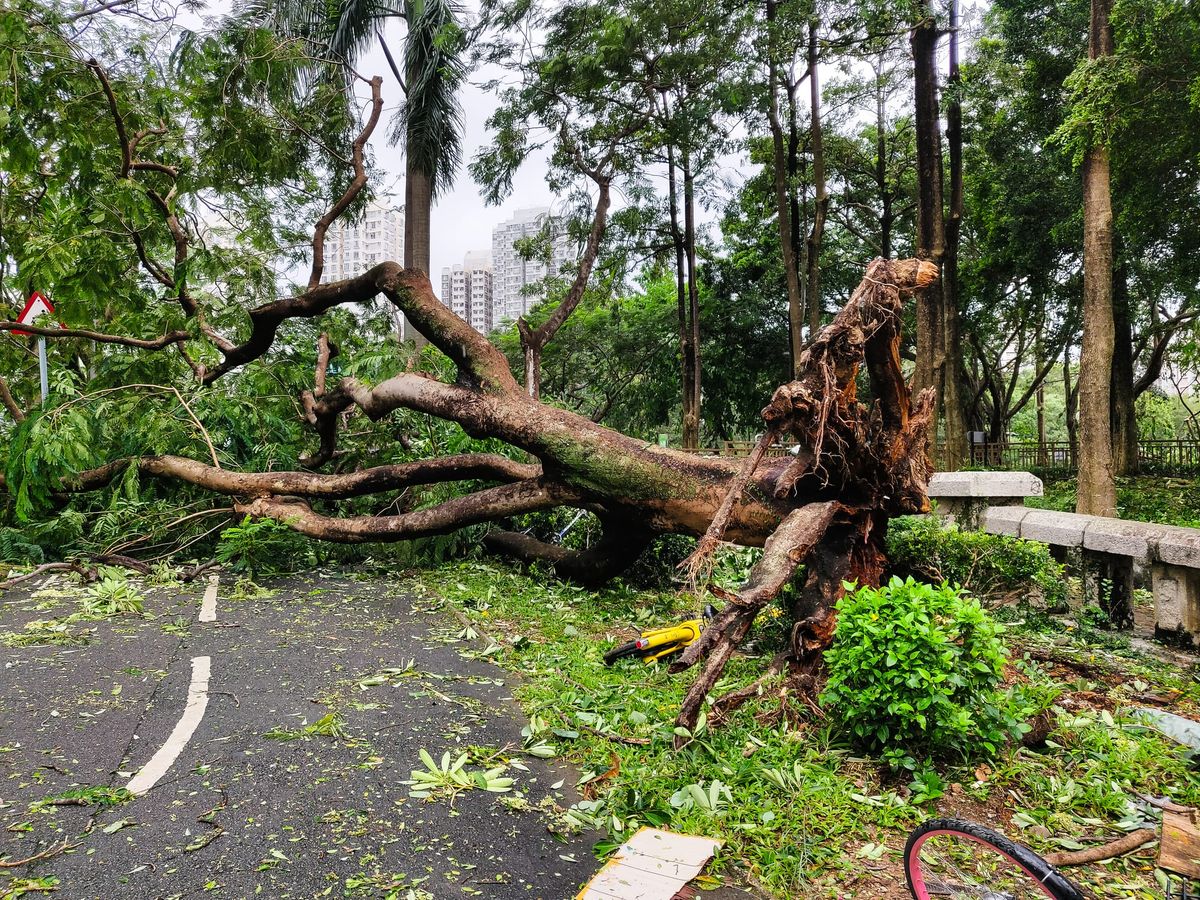
It was the strongest typhoon in history according to the Hong Kong Observatory. Winds reached 250 kilometres per hour. A vast stretch of the MTR from Tai Po Market to Sheung Shui was shut down. The Light Rapid Transit in Yuen Long was shut down. Both bus systems were shut down. Security Secretary John Lee reported that 1,500 trees were down and over 600 roads were blocked by debris.
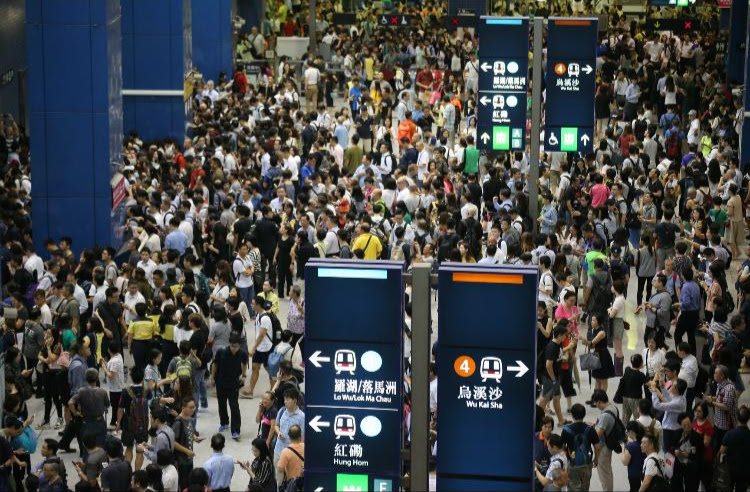
When Hong Kongers woke up this morning, all Typhoon Signal and Rainstorm Signal warnings were gone. People had to go to work, but most shouldn’t have.
It would have been better if most stayed home. It would have allowed the 8,000 workers from the Food and Environment Hygiene Department to clean and clear sidewalks. It would have reduced the number of cars and buses on the road, giving the Transportation Department time to clear the streets. Lastly, it would have been better for the MTR to devote all of its resources to clearing off the tracks instead of having to manage the swarms of people trying to get to work.
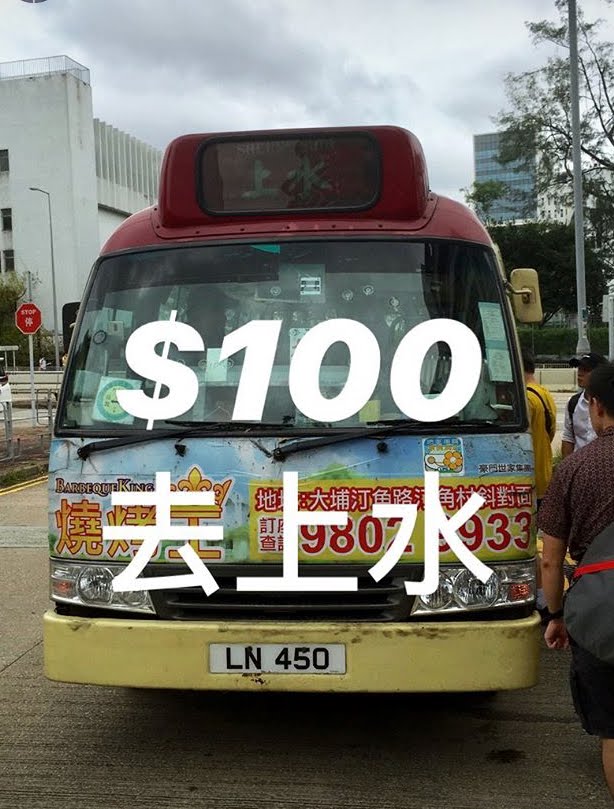
In the desperate need to get to work, some got gouged. Spotted around Sheung Shui was a mini-bus operator charging HKD 100 (12.75 USD) per person for a ride to Kowloon Tong. The trip usually costs HKD 10 (1.27 USD). Some taxis were charging four times the rate. All understandable in typhoon and post-typhoon situations, but most of the people who need to go to work are those who can’t afford these fares and are not reimbursed by their company.
Ronny Tong Ka-wah, a member of the Executive Council of the Hong Kong government, said it was impractical to expect the government to give people the day off from work. “In a capitalist society, the government has no power to meddle with all the contracts between employers and employees,” he told the Hong Kong Free Press
He is wrong. According to the Emergency Regulation Ordinance (Cap. 241), the Chief Executive has a lot of power to manage emergencies such as declaring the suspension of work and markets. Her choice was to put markets and money before the safety of the people and the ability of Hong Kong to fully recover from the typhoon.
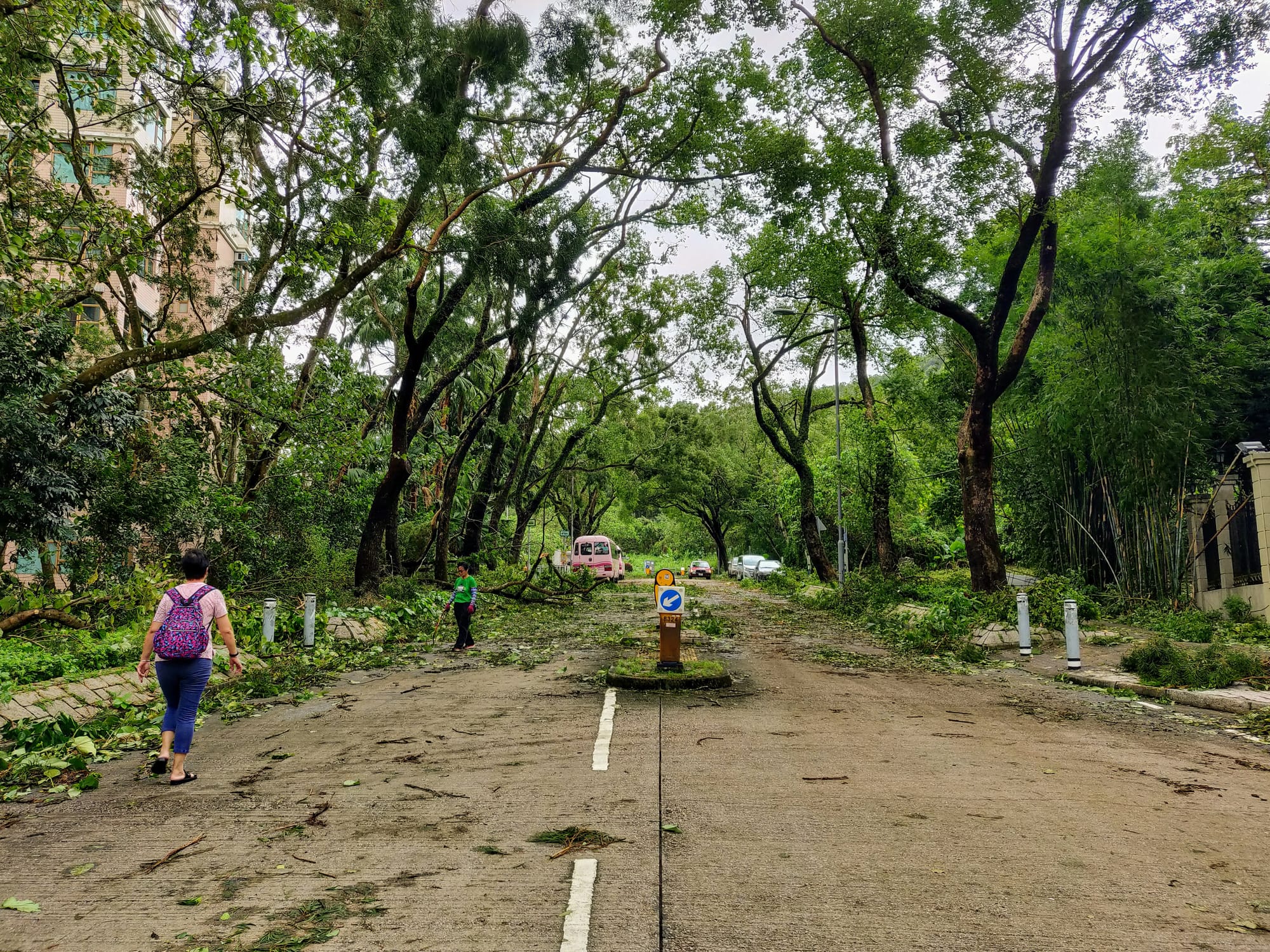
The typhoon is gone, and it will take the week for Hong Kong to get back to normal. Tomorrow will be easier as more rail and buses come back online; however, we need to learn from this. There needs to be a step if there is another typhoon like this, and with the changing climate, the chances are high, sadly.