
Little Or No Support For Gifted Students in Hong Kong
The Education Department should address the needs of gifted children to help them reach their potential.
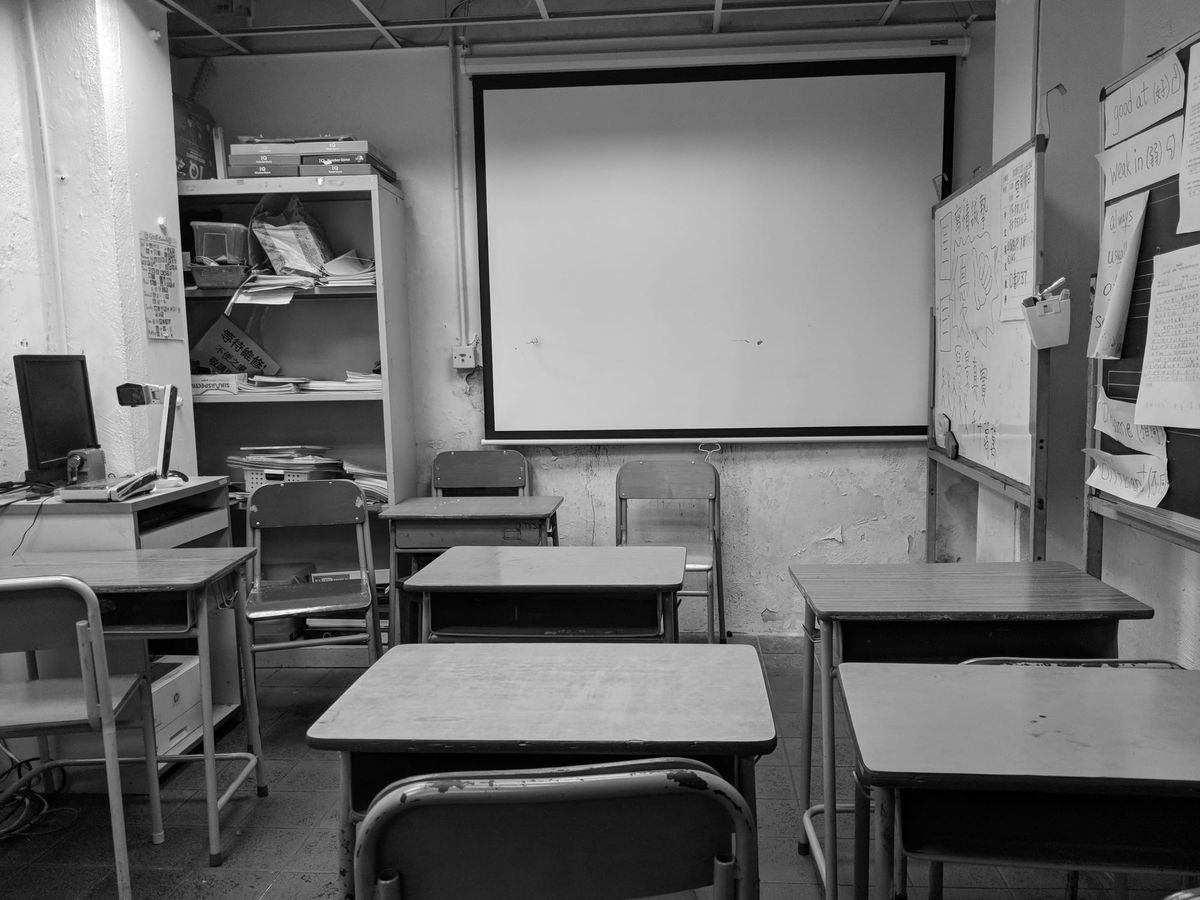
Leon can tell you about the Big Bang theory and explain it. He can explain the theory of how a meteoroid came down from the sky and may have killed all the dinosaurs. He can tell you about any book he read 3 years ago, when he was 4 years old. He can do all of these things, but he has no friends. He walks around the school alone. His parents live in a small village in northern Hong Kong and do not speak English, but he said he learned through listening to English CD’s. While the teacher is teaching the Z sound to the class, Leon asks, “Do you have blond hair because of your genetics?”
“Students like this are incredibly gifted but socially awkward. They are direct and seem rude but honest in what they say but poor in how they say things,” said Kit Chan, a lecturer at the University of Hong Kong who specializes in gifted students. “The more Leon grows up, the more lonely he will be” if he doesn’t learn quickly how to deal with people in a less direct way.
Gifted students can absorb information differently from non-gifted students. They are called gifted because they can retain, recall and use information differently than normal students, but there is a price. Classmates see them as rude and unfriendly because they say what is on their mind even if it hurts others. Teachers see them as not needing or wanting any help because mostly these students see themselves the same way.
It is hard for the government to know how many students like Leon there are, as they do not test. They leave it to schools to identify and support students, but every school is different and approaches these students differently. The Education Bureau’s (EDB) guideline for gifted students is to keep them in the same class and have teachers try to provide help where they can. The EDB encourages teachers to offer different ways to help these kids, but there is no way to know whether it is being done well or at all.
In the EDB’s training calendar, there are courses helping teachers understand Autism, Attention Deficit Disorder, Bipolar disorder, and other special needs, but only 2 of 54 courses focus on special needs students, helping teachers understand gifted students. Students entering school in their first grade are screened by teachers to identify students with special needs due to poor performance on tests and in-class behaviour. Gifted students get perfect scores on tests, prefer to work alone, and are sometimes more knowledgeable than the teacher. Since they don’t perform poorly, they often aren’t identified as students who may need help. Teachers may not offer them more challenging work, which helps students reach their maximum potential.
Studies from the Association for Child and Adolescent Mental Health, the largest group specializing in children’s mental health in Britain, have shown how anti-social most gifted students become over time due to a lack of understanding from the teacher and those around them. They may not be taught how to interact with other students because, academically, they are beyond the rest of the class and do not seem to need help. They do in order to build friendships.
“Gifted students need to be stretched in their learning, but they also need to be taught how to help others,” said Chan. She talked about how these students need encouragement to use their special skills to help others, so they can see that they are part of society rather than separate from it. They must also be challenged because they will get bored very quickly.
“In other countries, there are organizations that advocate for help, support, and understanding,” said Chan. “But there is no such thing here in Hong Kong, so there is little or no support.”
“We don’t have the staff or resources to take care of younger kids," said Edward Hung, head of Student Programs and Services at the Hong Kong Academy for Gifted Education (HKAFGE). The academy provides classes and supports for students aged 9 and up. The Program For The Gifted and Talented, run by the Chinese University of Hong Kong, also does not provide support for younger students as well.